The Inflammatory Nature of Acne
Acne develops when hair follicles become clogged with sebum and dead skin cells, creating an environment for bacterial growth. Inflammation plays a central role in acne formation and severity.
Dietary Factors in Acne Development
High glycemic index foods cause rapid blood sugar spikes, increasing insulin and sebum production. This creates ideal conditions for acne development. Refined carbohydrates, sugary drinks, and processed foods are primary culprits.
Research suggests that individuals who consume primarily whole foods experience fewer acne breakouts compared to those consuming processed foods.
Anti-Inflammatory Foods for Acne
Omega-3 Fatty Acids: Found in fatty fish, flaxseeds, and walnuts, these reduce skin inflammation and support healthy sebum composition.
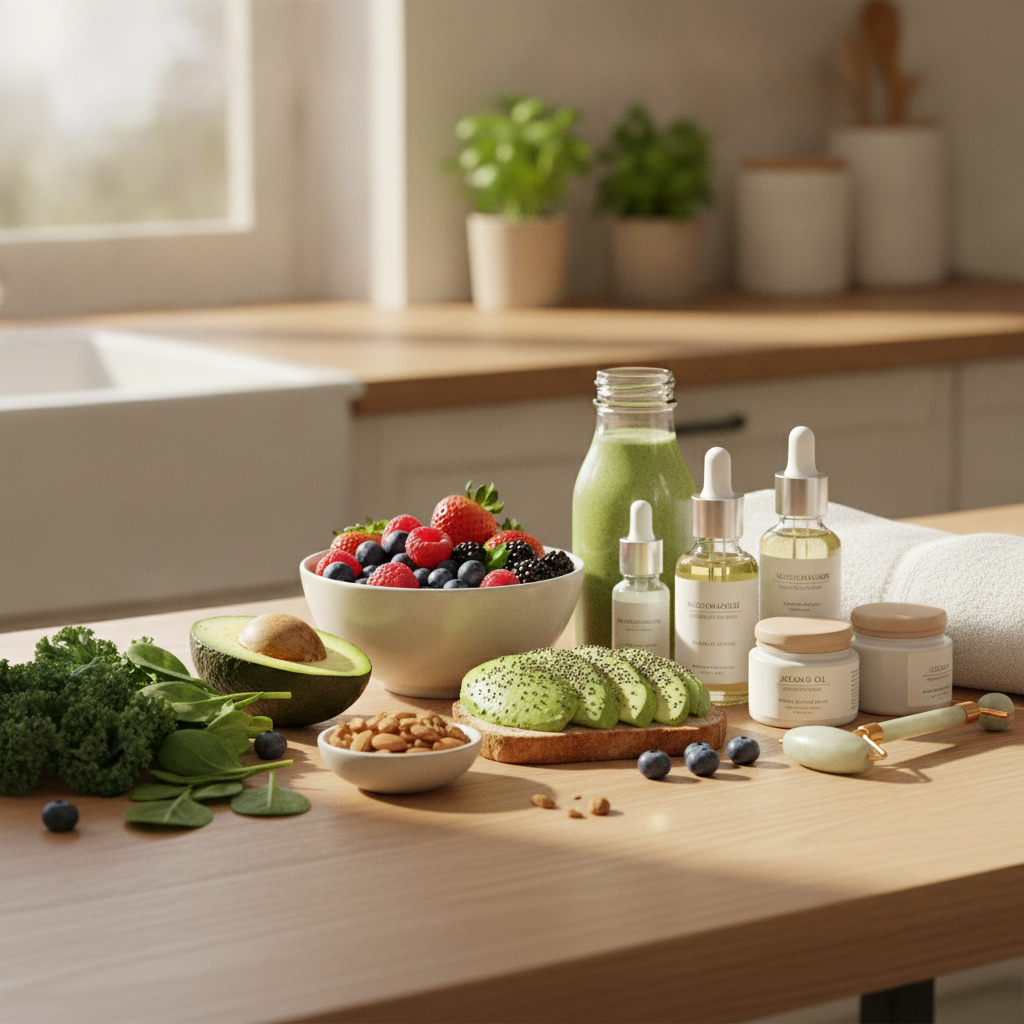
Antioxidant-Rich Foods: Berries, dark chocolate, and colorful vegetables neutralize inflammatory compounds and protect skin cells.
Zinc-Rich Foods: Oysters, beef, pumpkin seeds, and chickpeas support skin healing and reduce inflammatory markers.
Polyphenol-Rich Beverages: Green tea and matcha contain compounds that reduce bacterial growth and inflammation.
Foods to Minimize
- Refined carbohydrates and sugar
- Fried foods high in omega-6 fats
- Excessive dairy (for some individuals)
- Foods high in iodine (seaweed, certain supplements)
Hormonal Balance
Balancing blood sugar and supporting hormonal health reduces acne severity. Regular physical activity, stress management, and adequate sleep support hormonal equilibrium.
Most people notice skin improvement within 4-8 weeks of dietary modifications combined with consistent skincare practices.