Why Implants Excel
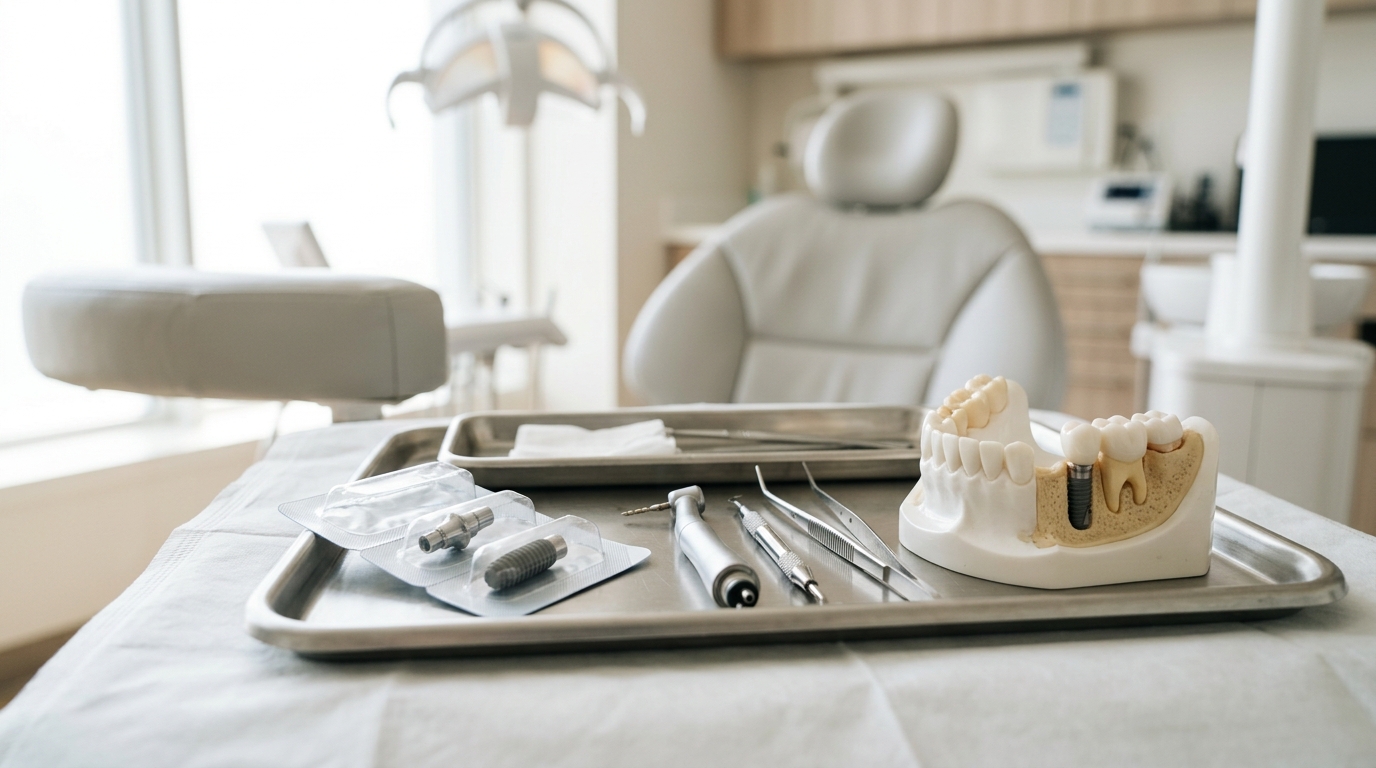
Dental implants function like natural teeth more closely than any alternative. They integrate with jaw bone through osseointegration, creating a stable foundation that preserves remaining bone and maintains facial structure.
Unlike bridges, implants don't require neighboring teeth modification. Dentures often shift and cause discomfort; implants remain fixed and provide superior eating function.
The Implant Procedure
Implant placement begins with comprehensive evaluation including imaging to assess bone quality and quantity. Extraction sites require 3-6 months healing before implant placement in some cases.
During surgery, the dentist places a titanium post into the jaw bone. After 3-6 months of osseointegration, enough bone surrounds the implant to support the crown. The restored tooth appears and functions identically to natural teeth.
Success Factors
Adequate bone volume at the implant site is critical. Significant bone loss may require bone grafting before implant placement. Healthy gums without active disease ensure better long-term outcomes.
General health conditions affect implant success. Uncontrolled diabetes and smoking significantly reduce osseointegration success rates. These factors should be optimized before implant placement.
Long-Term Care
Implants require meticulous oral hygiene. Plaque and bacteria can cause peri-implantitis, inflammatory disease affecting bone around implants. Brush gently around implants and floss daily.
Regular dental visits allow monitoring of implant health and early detection of complications. With proper care, implants last 15+ years or longer, making them highly cost-effective long-term solutions.
Longevity and Success
Research demonstrates 95%+ success rates for implants in appropriate candidates over 10-year periods. The combination of functionality, aesthetics, and longevity makes implants the gold standard for tooth replacement.