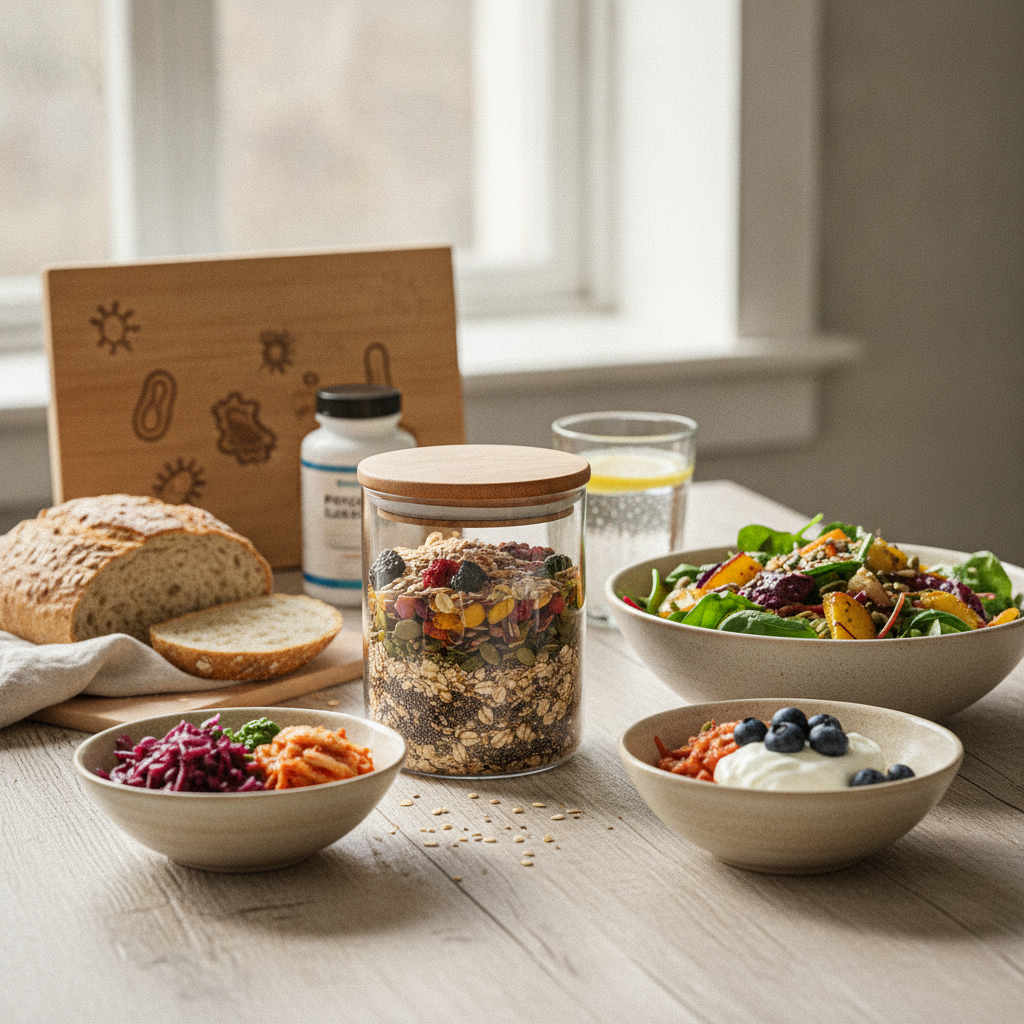
Fiber is the primary fuel for beneficial gut bacteria. Yet many people consume too little fiber—the average American consumes 15g daily versus the recommended 25-40g. Increasing fiber suddenly causes bloating; gradual increases prevent this.
Fiber Types
Soluble fiber (oats, barley, legumes, apples) dissolves in water, slowing digestion and feeding beneficial bacteria. Insoluble fiber (whole wheat, vegetables, nuts) doesn't dissolve, increasing stool bulk and transit speed.
Resistant starch (cooled cooked potatoes, green bananas, legumes) acts like fiber, feeding colonic bacteria. Pectin (in fruit) provides soluble fiber with prebiotic properties.
Microbiome Effects
Fiber feeds beneficial bacteria, increasing short-chain fatty acid production. Butyrate from fiber fermentation nourishes colon cells, reducing inflammation. Fiber promotes microbial diversity—more diverse microbiomes are associated with better health.
Adequate fiber (30g+ daily) prevents dysbiosis and reduces disease risk including cardiovascular disease, diabetes, and obesity.
Introduction Strategy
Sudden large fiber increases cause bloating and gas—the temporary surge in fermentation overwhelms capacity. Instead, increase fiber gradually: add 5g weekly until reaching target intake.
Start with soluble fiber (easier to tolerate initially) before increasing insoluble fiber. Distribute fiber throughout the day rather than concentrating at one meal. Drink abundant water—dehydration makes fiber digestion difficult.
Botanical Support
Ginger aids digestion and reduces gas. Peppermint tea reduces cramping from increased fermentation. Fennel and caraway seeds have traditional use for gas reduction.
Symptoms Management
Slight bloating initially is normal as your microbiome adjusts. This typically resolves within 1-2 weeks. If severe bloating persists beyond this or is accompanied by pain, reduce fiber temporarily and increase more slowly.
Sources and Variety
Aim for 30+ different plant foods weekly. Beans and lentils provide protein and fiber simultaneously. Whole grains (oats, barley, brown rice) are excellent fiber sources. Nuts and seeds add fiber plus healthy fats.
Fruit provides fiber alongside vitamins and minerals. Vegetables—particularly cruciferous and leafy greens—are fiber-rich and nutrient-dense.
Sustainable Target
Consume 1-2 servings of legumes daily (½ cup). Eat whole grains instead of refined grains. Include vegetables at every meal. These simple changes typically achieve 30-40g fiber daily.
Individual Variation
Some people (IBS-D, SIBO) require temporary fiber restriction before increasing. Work with a provider to establish appropriate intake for your specific condition.