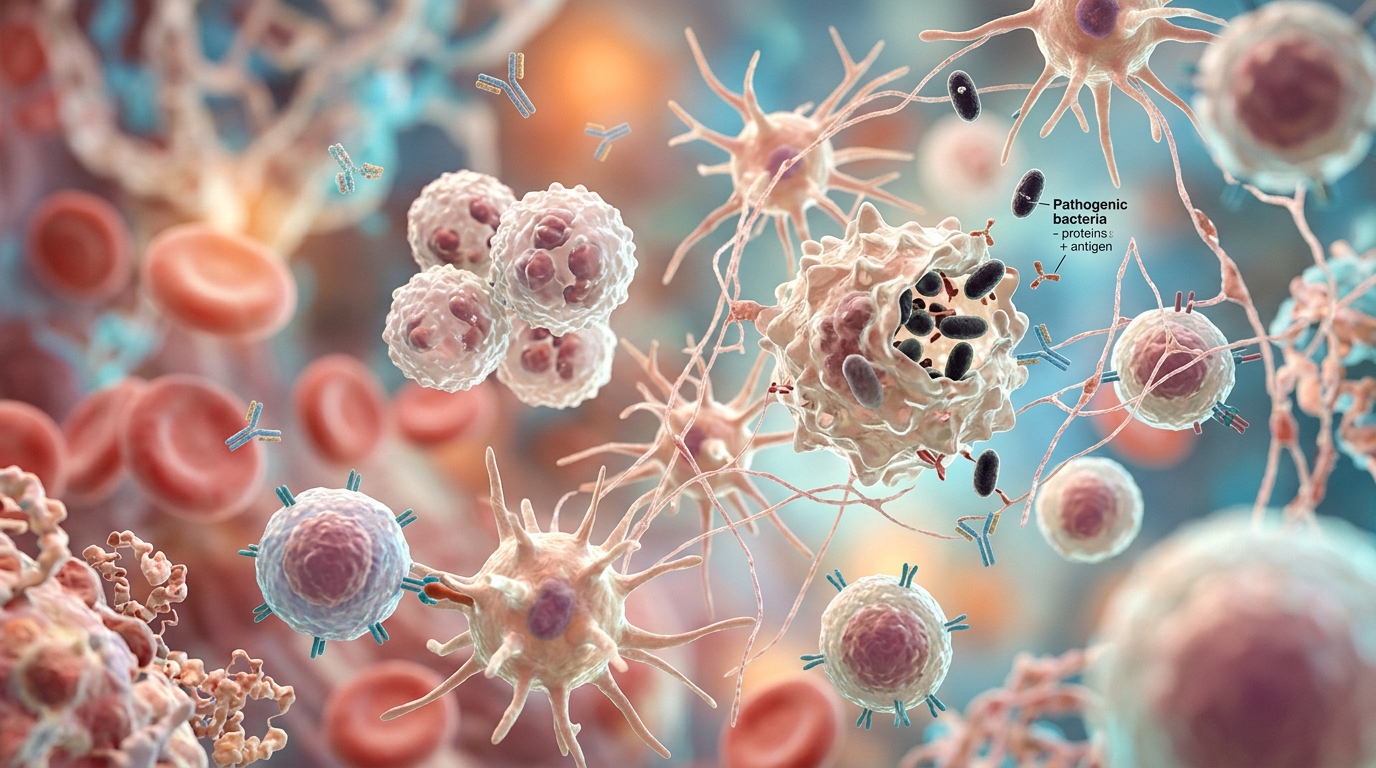
How Your Immune System Works
Your immune system is a complex network of cells, tissues, and organs working together to defend against harmful invaders like bacteria, viruses, and fungi. It distinguishes between self and non-self, attacking threats while leaving healthy cells intact.
Two Lines of Defense
Innate Immunity is your first line of defense—physical barriers like skin, stomach acid, and white blood cells that respond immediately to any invader.
Adaptive Immunity develops over time as your body learns to recognize specific threats. After encountering a pathogen, your immune system remembers it and responds faster if exposed again.
Supporting Your Immune System
- **Sleep**: Most immune system development occurs during sleep. Aim for 7-9 hours nightly
- **Nutrition**: Vitamins A, C, D, E, and zinc support immune function
- **Stress management**: Chronic stress suppresses immune response
- **Regular exercise**: Moderate activity enhances immune function
- **Hygiene**: Handwashing remains one of the most effective preventive measures
Nutrition and Immunity
Certain foods support immune function. Citrus fruits provide vitamin C, berries contain antioxidants, garlic has antimicrobial properties, and fatty fish provides omega-3s. Fermented foods like yogurt contain beneficial probiotics that support gut health, which plays a crucial role in immunity.
When to Be Concerned
If you frequently get infections, experience unusually severe symptoms, or have infections that don't resolve, consult your healthcare provider to rule out immune system disorders.