What Is Intestinal Permeability?
Intestinal epithelial cells form tight junctions creating a selective barrier. This barrier allows nutrient absorption while preventing passage of harmful pathogens and bacterial toxins. Disrupted tight junctions increase intestinal permeability, potentially allowing unwanted substances into circulation.
Increased permeability promotes systemic inflammation as immune cells recognize foreign antigens. This inflammation potentially contributes to autoimmune conditions, allergies, and chronic inflammatory diseases.
Causes of Increased Permeability
Prolonged stress increases intestinal permeability through stress hormone effects on barrier function. Adequate sleep restores barrier integrity while sleep deprivation further impairs function.
Chronic inflammation itself damages tight junctions, creating feedback loops where initial permeability increases inflammation which further increases permeability. Breaking this cycle requires addressing underlying causes of inflammation.
Certain foods including gluten in genetically predisposed individuals can increase permeability. NSAID medications chronically taken damage intestinal lining and increase permeability. Alcohol consumption increases permeability through multiple mechanisms.
Healing the Gut
Eliminating inflammatory triggers represents the primary intervention. This includes removing foods causing personal inflammatory responses, managing stress, and addressing infections if present.
Increasing dietary components supporting barrier function helps restore integrity. Bone broth provides collagen and amino acids supporting intestinal lining repair. Omega-3 fatty acids reduce inflammation. Zinc and glutamine support epithelial cell repair.
Dietary Strategies
Nutrient-dense whole foods support intestinal healing. Damaged intestines benefit from elimination diets removing obvious irritants before gradually reintroducing foods. Removing gluten, excess sugar, and processed foods typically improves outcomes.
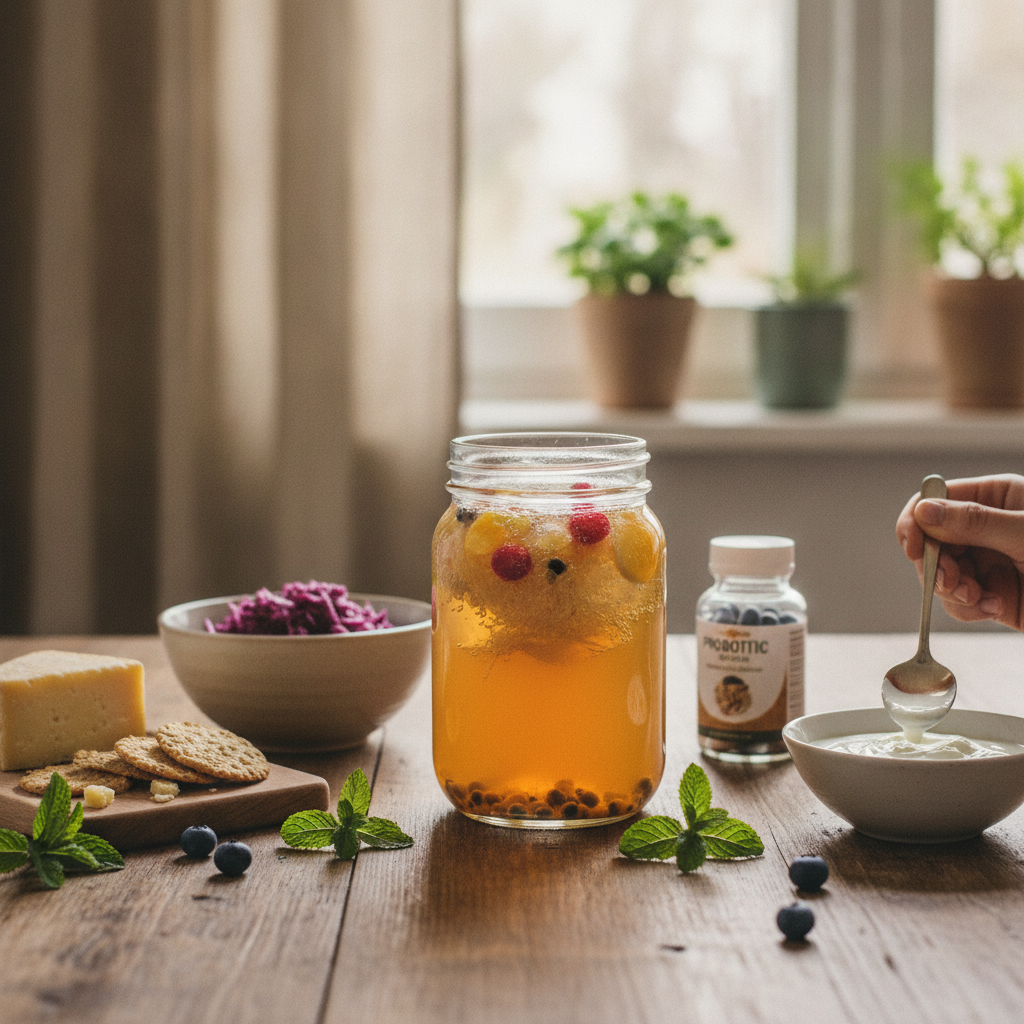
Fermented foods and appropriate probiotics support microbial populations that strengthen barrier function through production of short-chain fatty acids.
Timeline and Expectations
Intestinal barrier repair requires weeks to months depending on damage severity. Complete restoration of tight junction integrity takes time; patience with the healing process proves essential.
Consistency matters dramatically. Sporadic dietary improvements produce minimal results. Sustained commitment to barrier-supporting practices for months yields measurable improvements in permeability and associated symptoms.
Professional Guidance
Working with healthcare providers experienced in gut health optimization improves outcomes. They can identify specific contributing factors and guide appropriate interventions beyond general recommendations.