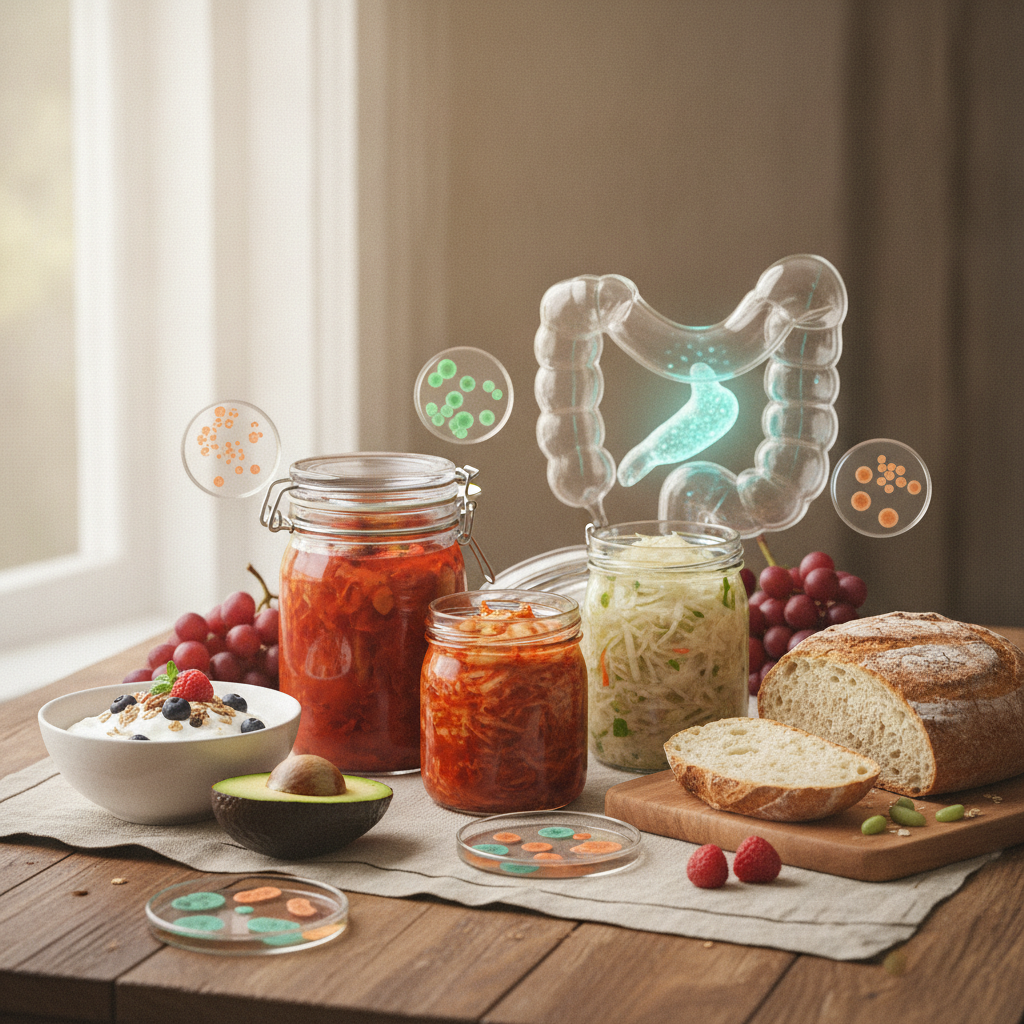
Your gut microbiome contains trillions of bacteria, collectively weighing about 2 kilograms. These organisms profoundly influence digestion, immunity, mood, and disease risk.
Core Functions
Your microbiome ferments dietary fiber, producing short-chain fatty acids (butyrate, propionate, acetate) that nourish colon cells and reduce inflammation. It synthesizes B vitamins and vitamin K. The microbiome trains your immune system, distinguishing beneficial organisms from pathogens.
A healthy microbiome protects against pathogenic bacteria through competitive exclusion—beneficial bacteria occupy ecological niches, preventing pathogen colonization.
Microbial Diversity
Higher microbiome diversity correlates with better health outcomes. People eating 30+ different plant species weekly develop more diverse microbiomes than those eating fewer plant varieties.
Diversity provides resilience—if one bacterial species is eliminated by antibiotics or illness, diverse microbiomes maintain function through compensatory changes in other species.
Dysbiosis
Dysbiosis—microbiome imbalance—contributes to IBS, inflammatory bowel disease, obesity, diabetes, and immune dysfunction. Common dysbiosis patterns: reduced Firmicutes/Bacteroidetes ratio, loss of beneficial Faecalibacterium prausnitzii, or overgrowth of pathogenic Proteobacteria.
Factors Affecting Microbiome
Antibiotics dramatically alter microbiome composition, often for months. Diet is the most controllable factor—you can consciously alter microbiome composition within days through dietary changes.
Stress, sleep deprivation, and sedentary lifestyle negatively impact microbiome. Infections (including viral gastroenteritis) can permanently alter microbiome composition.
Microbiome-Supporting Behaviors
Eat diverse plants—aim for 30+ different varieties weekly. Include fermented foods (yogurt, kefir, sauerkraut, kimchi, kombucha). Consume adequate fiber (25-35g daily for women, 30-40g for men).
Limit antibiotic use to necessary situations. Manage stress through meditation or exercise. Sleep 7-9 hours nightly. Move consistently throughout the day.
Testing and Assessment
Stool testing can identify specific bacterial populations. Interpreting results requires caution—testing companies often make claims exceeding scientific evidence. Use testing results alongside clinical symptoms.
Recovery Timeline
Microbiome changes from dietary modification occur rapidly—beneficial changes occur within days. Full microbiome restoration after dysbiosis-causing events takes weeks to months.